
Ich schreibe es nicht sonderlich gerne, aber das ist dann jetzt auch schon über 40 Jahre her.
Einen Kommentar hinterlassen

Ich schreibe es nicht sonderlich gerne, aber das ist dann jetzt auch schon über 40 Jahre her.
Einen Kommentar hinterlassen
Sir David Attenborough ist vor ein paar Tagen stolze 100 Jahre alt geworden. Die BBC erstellte anlässlich dessen diese liebevolle Sammlung von Attenboroughs naturkundlichen Dokumentationen, Sendungen und Rundfunkbeiträgen aus aller Welt und spiegelte seine Hoffnung auf eine bessere Zukunft für die gesamte Menschheit wider. Sie zeigt Jahrzehnte seines Schaffens.
(Direktlink, via Laughing Squid)
Hihi.
The spaghetti tree hoax is a famous 3-minute hoax report broadcast on April Fools‘ Day 1957 by the BBC current affairs programme Panorama. It told a tale of a family in southern Switzerland harvesting spaghetti from the fictitious spaghetti tree, broadcast at a time when this Italian dish was not widely eaten in the UK and some Britons were unaware that spaghetti is a pasta made from wheat flour and water. Hundreds of viewers phoned into the BBC, either to say the story was not true, or wondering about it, with some even asking how to grow their own spaghetti trees. Decades later CNN called this broadcast „the biggest hoax that any reputable news establishment ever pulled.“
(Direktlink, via TYWKIWDBI)
BBC feiert ihr 20 Jahre altes Format Planet Earth und zeigt in dem Zuge mal, was in dieser Zeit bei denen alles so vor die Kamera kam, was wir ohne Planet Earth vielleicht bis heute nicht gesehen hätten.
Einen Kommentar hinterlassenDer Wissenschaftsmoderator Derek Cooper besuchte im Jahr 1967 für die BBC-Sendung „Tomorrow’s World“ Unternehmensberater Rex Malik in dessen Londoner Wohnung, um mehr über SCAN, den ersten Heimcomputer Europas, zu erfahren.
Derek Cooper reports on Europe’s first home computer terminal. Installed into the home of industrial consultant Rex Malik (pictured above), it includes an electric typewriter and can send and receive messages, update his diary and check his bank balance. Even his four-year-old son Nicholas can use it to work out basic maths problems. Can we expect a computer like this in every home in the future?
(Direktlink, via Laughing Squid)
Die BBC bringt im Mai eine sechsteilige Serie, die uns in die Welt der Dinosaurier mitnimmt und ich weiß schon mal einen, der alle sechs Teile sehen wird.
Einen Kommentar hinterlassenDie BBC fragte 1994 die Menschen vor der Röhre, ob sie bereit für das Internet wären. So geil wie das dann alles mal wurde, waren das offenbar einige. Die, die es damals noch nicht waren und sich da erst „rein arbeiten“ mussten (und ich meine nicht die Jüngeren, ob ihres Alters), haben es dann irgendwann verändert. Heute weiß ich manchmal nicht genau, ob die Welt ohne dieses Internet nicht vielleicht doch ein besserer Ort wäre.
Ein KommentarKate Bellingham reports that an exciting new interconnected world – a world where every word ever written, every picture ever painted and ever film ever shot will be at our fingertips – is tantalisingly close. The information superhighway will be a high-capacity digital communication network, which in time could revolutionise the way we shop, socialise and work.
The groundwork for this technological behemoth is already well underway, with computers already communicating with one another to allow users to send electronic mail (President Bill Clinton is already connected) and access news, weather and even some shopping services. For the information superhighway to really take off though, it needs more capacity than the UK’s ageing network of copper telephone wires can provide. Is Britain prepared to invest in the sort of high-capacity fibre-optic cable network that can make the technological utopia a reality?
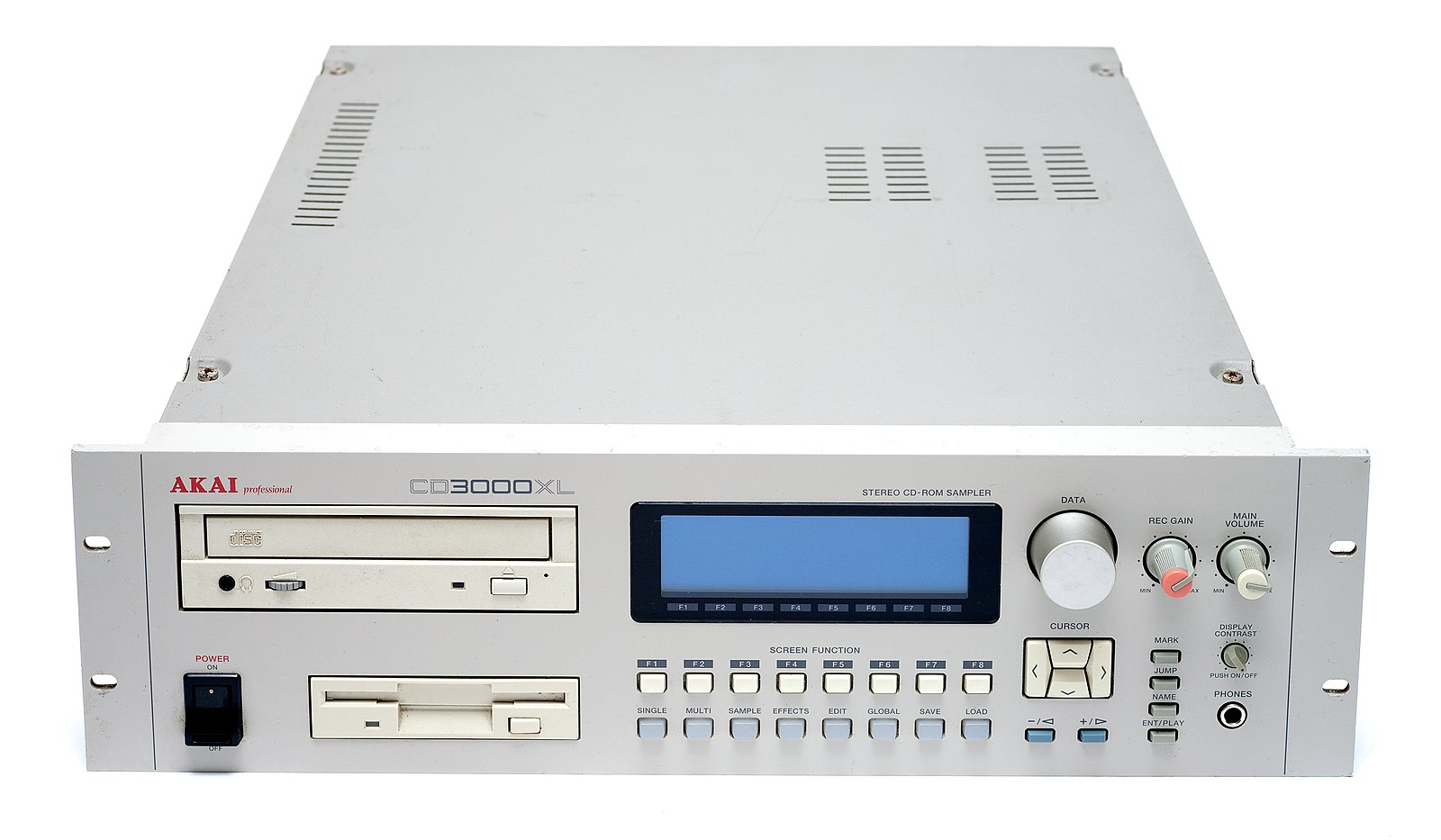
Die BBC hat ihre Soundeffekt-Bibliothek auf nicht weniger als 33.000 Samples aufgestockt, die dort jetzt zum kostenlosen Download bereitstehen.
Einen Kommentar hinterlassenIndexed into categories, the sounds span everything from footsteps and transport to nature and machines. Among the plethora of sounds covered are reindeer grunts, rain, clocks, horses walking in mud, common frog calls and crowds at the 1989 FA Cup Final. And that barely scratches the surface.
The sounds have been released under a non-commercial use license (a RemArc License) as part of the BBC’s RemArc programme, which is “designed to help trigger memories in people with dementia using BBC Archive material as stimulation“.
A RemArc License stipulates that the samples can only be used for research, educational or personal projects, and therefore can’t be legally sampled in music that is then sold.
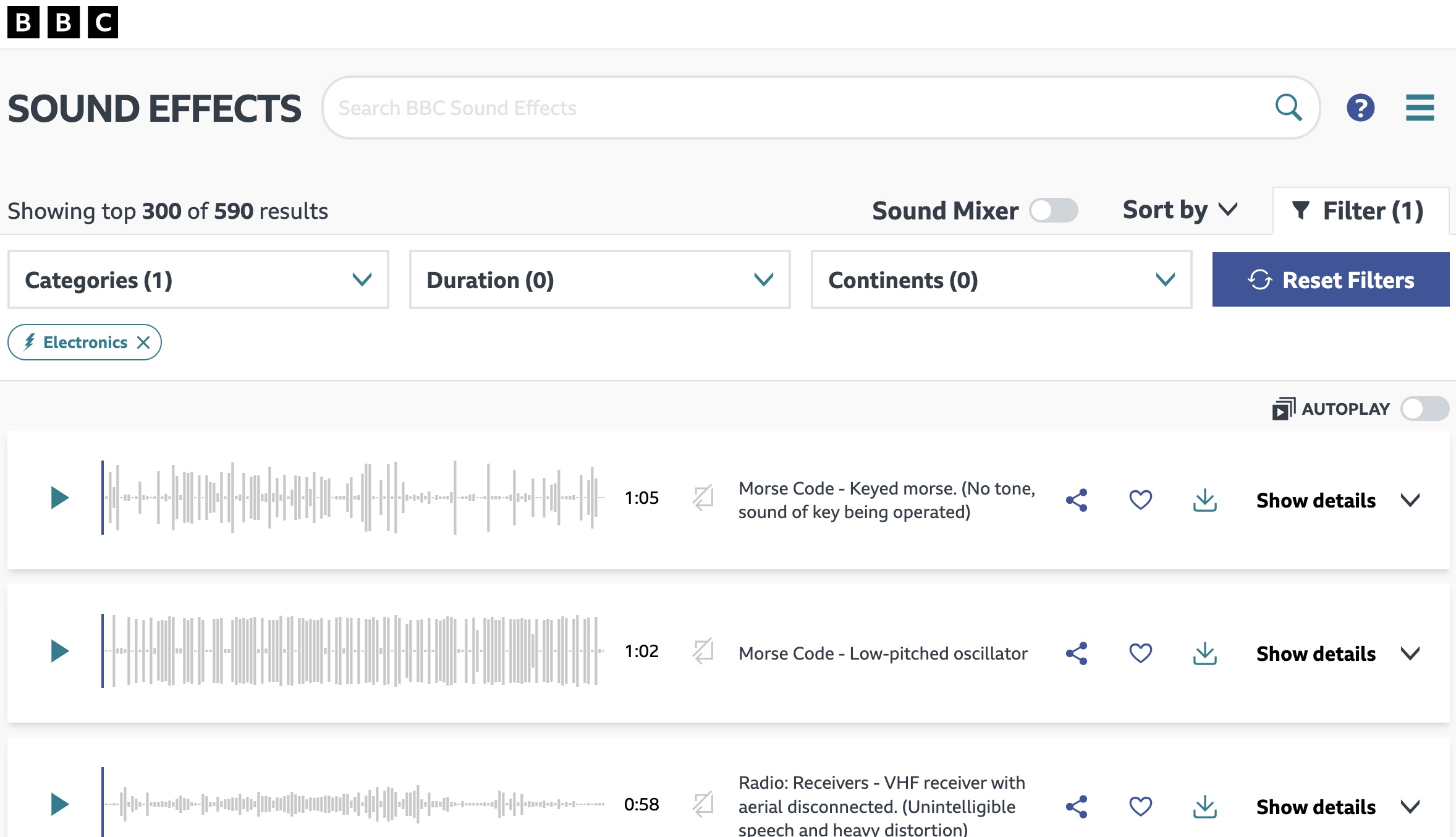
BBC Rewind hat eine sehr umfangreiche Datenbank der von ihr produzierten und genutzten Sound Effects zum Download online. Es gibt auch einen Mixer mit dem sich eigene Effekte kreieren lassen. Da geht er dahin, der Tag.
(via MeFi)
Frohes Neues und kurz durchatmen, bevor es Morgen dann wieder richtig los geht. Wer länger durchatmen will, hier im Stream der BBC und heute Abend um 19:30 Uhr im ZDF.
(Direktlink, via Monstropolis)

