Die Library of Congress hat kürzlich eine Kopie eines lange verschollenen Films von Georges Méliès aus dem Jahr 1897 entdeckt: „Gugusse et l’Automate“. Dieser Film war vermutlich seit über einem Jahrhundert ungesehen und zeigte erstmals im Film eine roboterartige Figur. Er zählt außerdem zu den ersten Science-Fiction-Filmen überhaupt und ist mit 45 Sekunden ein echter Kurzfilm.
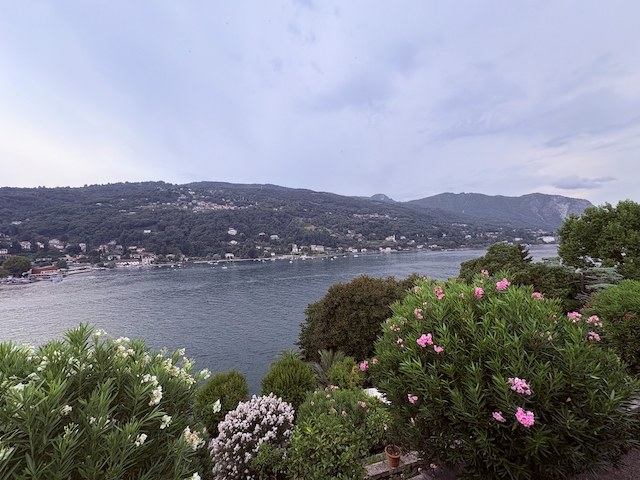
Urlaub in Italien. Hab ich immer Bock drauf. Da ich aber weder Urlaub habe, noch gerade in Italien bin, muss die Musik dazu reichen. Passend zum Sonntag.
In the era immediately following WWII, Italy experienced an economic recovery incomparable to any other Western European country. The Italian state transformed from a mostly rural nation into a global industrial power. A newly wealthy class of Italians bought new appliances, elegant clothes, and sleek sports cars. This was La Dolce Vita: the sweet life.
Italian films followed suit – they presented Italy to the outside world as romantic, sophisticated, and aspirational. The film soundtracks, composed by masters like Stelvio Cipriani, Ennio Morricone, and Piero Umiliani, are plush and romantic – the most potent artifacts from this era.
Ich habe mich früher häufig gefragt, ob die Welt heute so wäre, wie sie ist, wenn es keine Sci‑Fi Filme gegeben hätte, oder ob vieles, was wir heute um uns haben, genau deshalb da ist, weil die Menschheit sich eben von jenen Filmen hat inspirieren lassen. DW geht genau jener Frage mal nach.
Before ‚Star Wars‘. Before ‚Blade Runner‘. Before every futuristic city, rogue android, or AI uprising you’ve ever seen, there was ‚Metropolis‘ (1927). This video dives deep into how Fritz Lang’s silent-era masterpiece built the visual language of modern sci-fi, shaped pop culture for a century, and predicted the world we live in today: AI, surveillance, mega-cities, class conflict, and the fear of machines taking over. We explore: The story of ‚Metropolis‘ and its groundbreaking themes, how Robot Maria became the blueprint for C-3PO, Ava in ‚Ex Machina‘, and every seductive android since and why ‚Metropolis‘ still shapes the future, nearly 100 years later.
Seit den 1950er Jahren wird in unzähligen Filmen ein Soundeffekt namens „Wilhelmsschrei“ benutzt. Doch in Disney-Animationen gibt es einen anderen Schrei, der immer wieder verwendet wird – und der stammt von Goofy. Mixed Signals bietet uns hier eine kurze Geschichtsstunde zum Goofy-Schrei sowie zu den Ursprüngen der kultigen Zeichentrickfigur und ihrer Stimme.
Weil sich Sehgewohnheiten ändern – und mit denen auch die Farbkorrekturen.
Why do modern movies look so gray, washed out, and desaturated? In this video essay, we explore the death of color in cinema and break down how Hollywood color grading, digital cinematography, and post-production LUTs have made blockbuster films look dull and lifeless. From The Matrix and Game of Thrones to Justice League and The Batman, this deep dive analyzes how filmmakers use color (or refuse to), and how digital color correction and cinematic desaturation have replaced the bold, expressive look of Technicolor movies.
We discuss the evolution of film color grading, the impact of teal and orange filters, how gray tones became standard in modern filmmaking, and how visual storytelling has been lost in favor of “serious,” muted palettes. Using examples from The Wizard of Oz, Amélie, Suspiria, Barbie, La La Land, and Everything Everywhere All At Once, we show how color influences audience emotion, visual tone, and narrative clarity.
If you’re interested in cinematography breakdowns, film theory, color theory in movies, or want to know why movies look gray now, this is the definitive guide. Learn what killed color in film — and who’s finally bringing it back.
„Koyannistocksi“ ist eine Bild-für-Bild-Neuverfilmung des Trailers zu Godfrey Reggios „Koyaanisqatsi“, bei der ausschließlich Stock-Material verwendet wurde.
Trailer for Godfrey Reggio’s Koyannisqatsi reconstructed shot-by-shot with modern, watermarked stock footage. A testament to Reggio’s influence on contemporary motion photography, and the appropriation of his aesthetic by others for commercial means.
Wir kennen die Muppets in einem Studioset, wo sich die Puppenspieler unter dem Boden befinden – obwohl wir normalerweise unsere Skepsis ausblenden und nicht an sie denken. Was aber, wenn die Muppets mir ihren Körpern draußen unterwegs waren, Kermit in einem Sumpf sang, Fozzie Bär Auto und eine Gruppe Muppets Fahrrad fuhr? Das ging dann so:
Diese Website verwendet Cookies, damit wir dir die bestmögliche Benutzererfahrung bieten können. Cookie-Informationen werden in deinem Browser gespeichert und führen Funktionen aus, wie das Wiedererkennen von dir, wenn du auf unsere Website zurückkehrst, und hilft unserem Team zu verstehen, welche Abschnitte der Website für dich am interessantesten und nützlichsten sind.
Unbedingt notwendige Cookies
Unbedingt notwendige Cookies sollten jederzeit aktiviert sein, damit wir deine Einstellungen für die Cookie-Einstellungen speichern können.
Wenn du diesen Cookie deaktivierst, können wir die Einstellungen nicht speichern. Dies bedeutet, dass du jedes Mal, wenn du diese Website besuchst, die Cookies erneut aktivieren oder deaktivieren musst.