
Zum Inhalt springen

Kategorie: Visuelles

Eine Wohnsiedlung in Hong Kong aus Sicht einer Drohne: Wěndìng Fánróng

Mariana Bisti hat eine Drohne durch eine Hochhaussiedlung in Hong Kong manövriert und dabei ziemlich beeindruckende Aufnahmen gemacht, die einerseits verdammt eng wirken, andererseits aber auch vermitteln, dass dort viele Menschen auf vergleichsweise wenigen Quadratmetern wohnen können. Dazu kommt die Symmetrie der Darstellung. In der Summe kommt das irgendwie brutal.

Der dazu perfekt passende Sound kommt von Jan Jelinek.

The principle that organises the official identity of Hong Kong under Chinese rule reads: “wěndìng fánróng” (stability & prosperity). In fact, there is a missing subtext that one can borrow from Robert Venturi’s seminal book on postmodern architecture: complexity & contradiction*. The latter two terms reveal the complementary foundations upon which the official Chinese discourse constructs the image of HK as an exuberant and thriving community. Yet contemporary HK is more than that: its complex and contradictory nature stems from its turbulent historical past, its colonisation and decolonisation, its re-nationalisation, the constant movement of goods and capital, the social injustice and inequality, and above all, the perpetual movement of its people. This movement produces the political, cultural and social mix that generates a hybridised identity, with ephemeral foundations and fluid characteristics. HK’s contradictions and complexities are scribed on the body of its city, manifested in its urban landscape, in the organisation of working, living and public spaces. The city’s structural formations and functions encapsulate the spirit of its past, present and future, speak of its monstrosities and its miracles, uproot the official Chinese discourse and reveal a wealth of contradictions that constitute HK as one of the most attractive and mesmerizing dystopias on earth.
*Complexity and Contradiction in Architecture, Robert Venturi, Moma, 1977.


(Direktlink, via Gilly)

Ein Kommentar

Sturm- und Unwettertimelapse: Pursuit

Neues und wieder sehr beeindruckendes Timelapse-Video von Stormchaser Mike Olbinski, den ich hier schon öfter mal hatte. Dieses Video fasst Aufnahmen von ihm zusammen, die im Frühjahr 2017 entstanden sind und für die er weit gereist ist.

The work on this film began on March 28th and ended June 29th. There were 27 total days of actual chasing and many more for traveling. I drove across 10 states and put over 28,000 new miles on the ol’ 4Runner. I snapped over 90,000 time-lapse frames. I saw the most incredible mammatus displays, the best nighttime lightning and structure I’ve ever seen, a tornado birth caught on time-lapse and a display of undulatus asperatus that blew my mind. Wall clouds, massive cores, supercell structures, shelf clouds…it ended up being an amazing season and I’m so incredibly proud of the footage in this film.


(Direktlink)

Einen Kommentar hinterlassen

Zir­ku­larer Regenbogen

Wenn man sie aus der richtigen Perspektive betrachtet, kann man Regenbögen offensichtlich auch als Kreis sehen. Hatte ich bisher noch nicht.

This rainbow is from the Lakhta Center skyscraper you can see not only panoramas of St. Petersburg, but also interesting effects, which low-earth inhabitants do not know. Only from such a height the usual rainbow after the rain can be seen in a new form and it will not look like a familiar arch, but as a full circle. This view is accessible from the cockpit of the tower crane, which is building a skyscraper, but visitors of the Lakhta 360 viewing platform, which will open on the last floor of the skyscraper, will soon be able to see an amazing rainbow.


(Direktlink, via Likecool)

Einen Kommentar hinterlassen

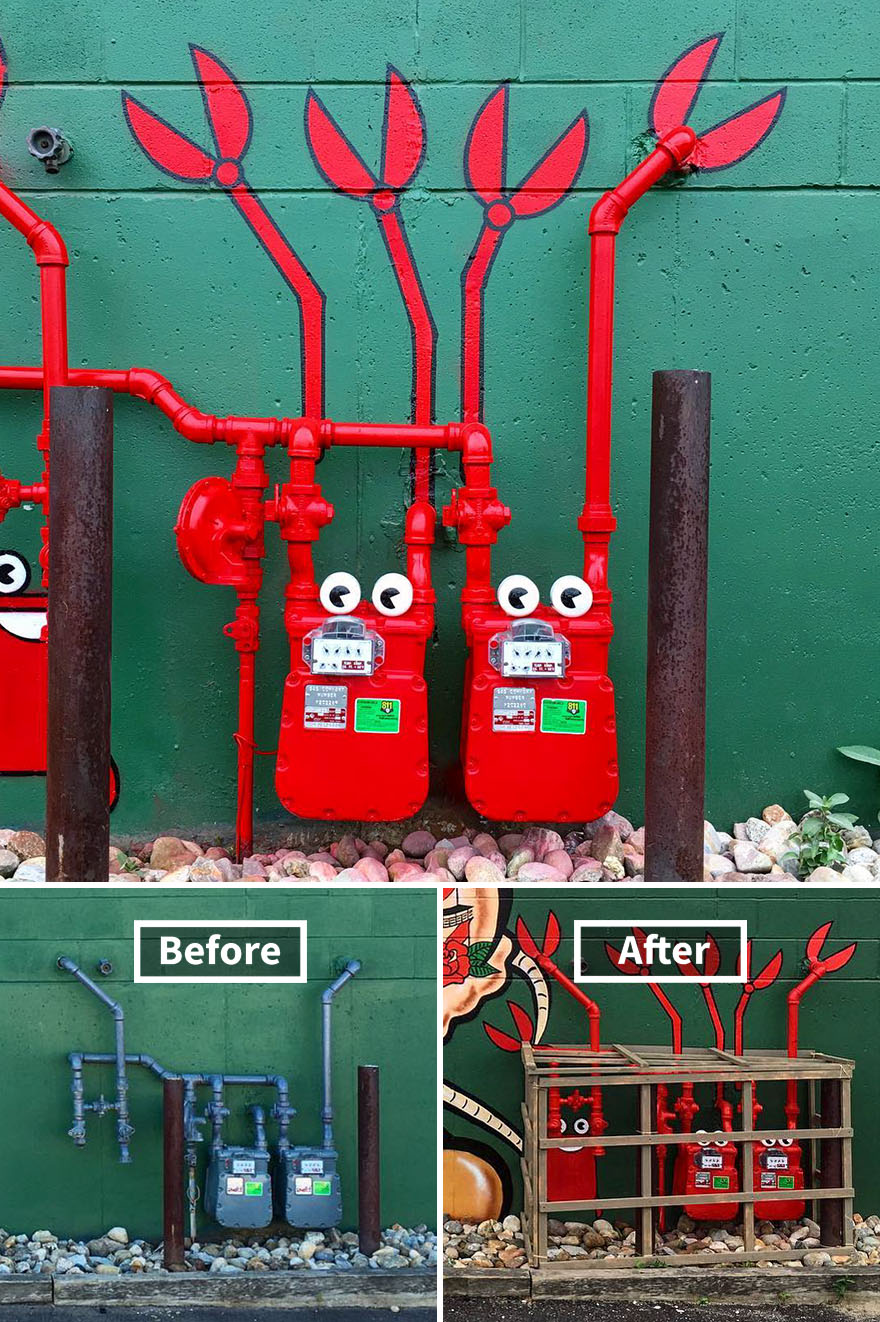
Tom Bob macht in New York aus urbaner Lethargie bunte Kunstwerke

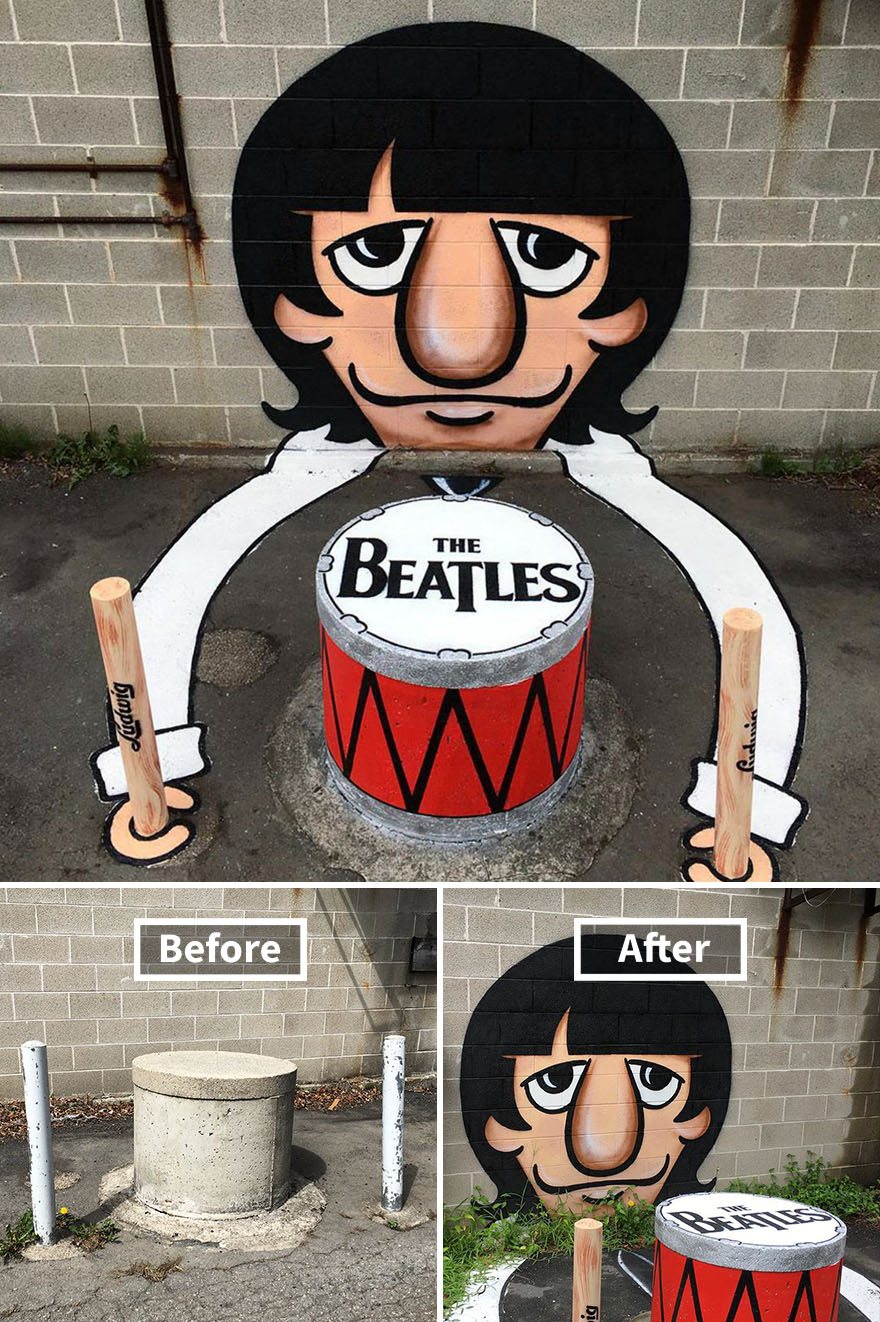
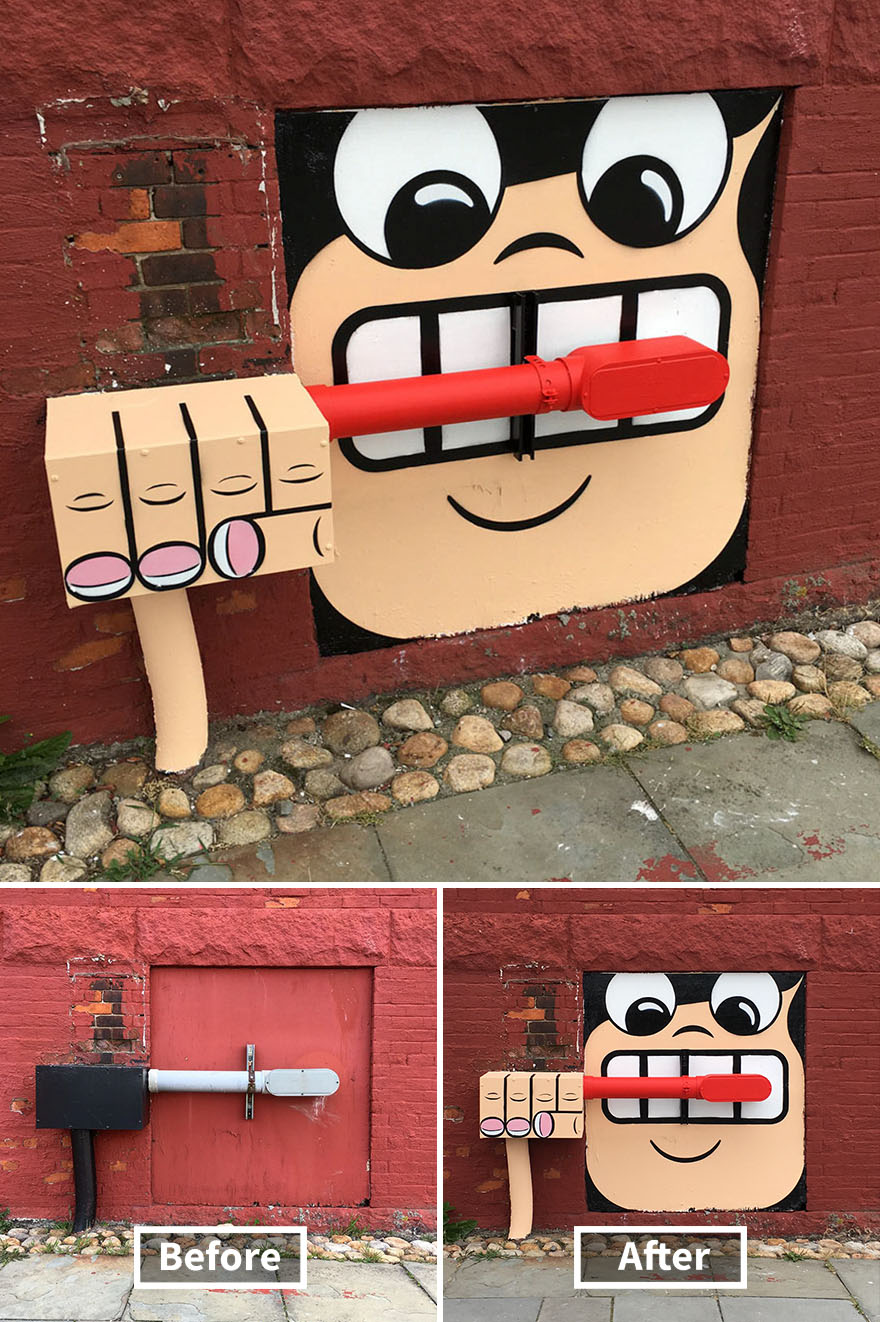
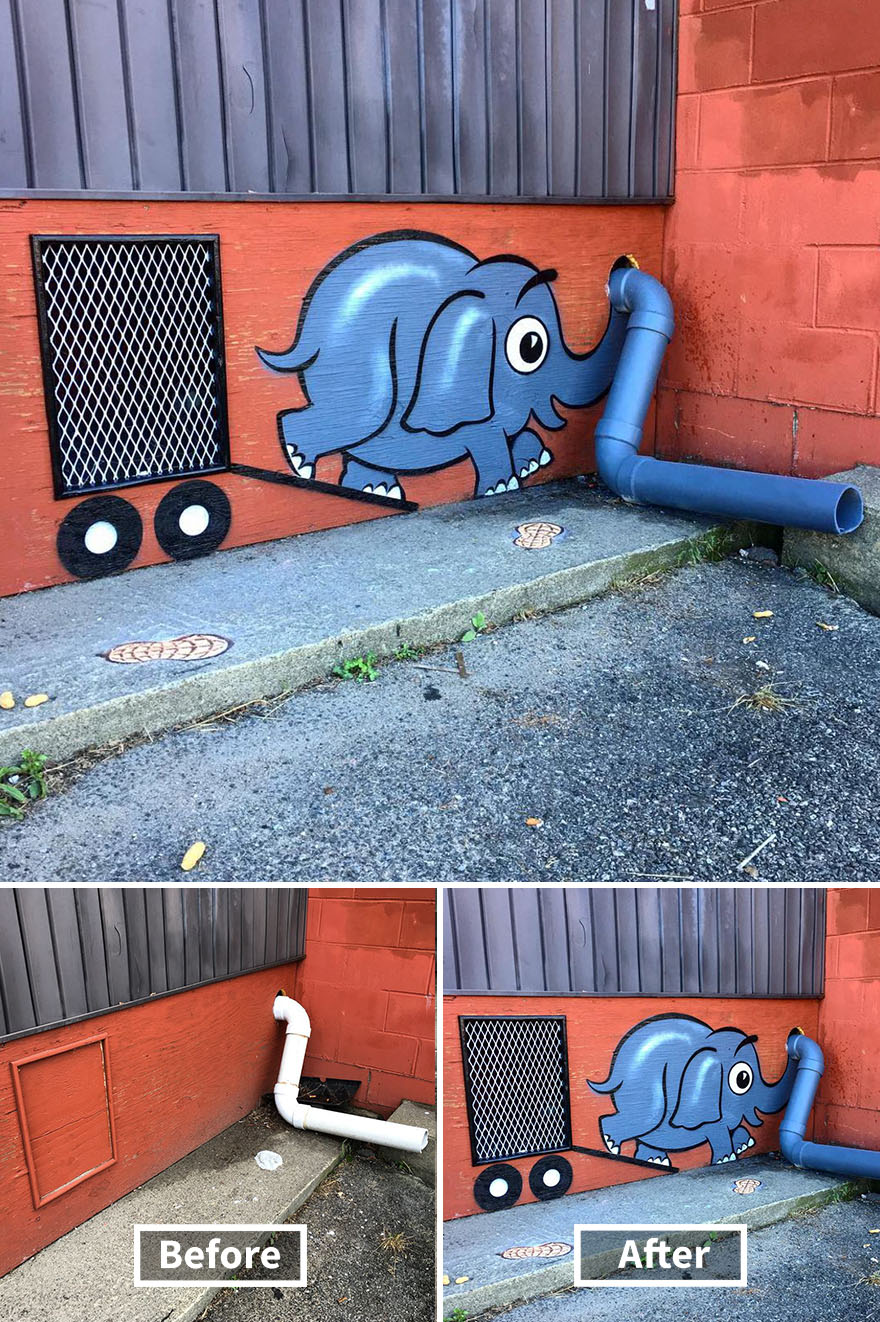
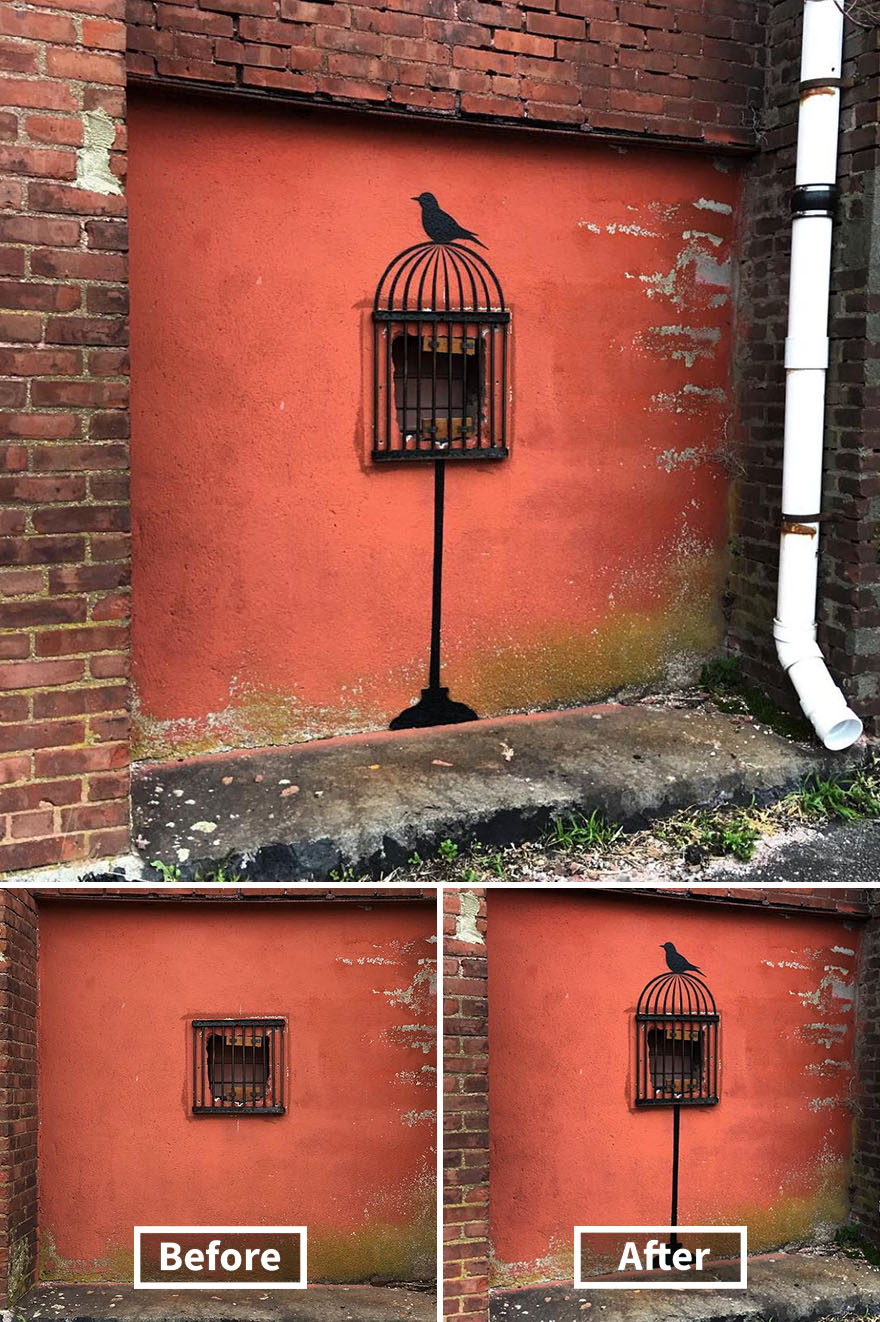
Der in New York lebende Künstler Tom Bob macht aus dem, was eine dröge Stadt in ihren dunklen Ecken so herzugeben vermag, kleine und fast immer freundlich bunte Kunstwerke. Nicht nur klassische Graffitis machen graue Wände lebendig, Tom Bob kann das auch – und ist gemessen am Gesetz einer, der dem Vandalismus frönt. Vom Konsens akzeptierter „Vandalismus“, über den nicht mal Omi meckern würde. Nicht revolutionär und dennoch ziemlich gut. Weil er dieses immer ins Spiel gebrachte „Wenn es gut aussieht und schön gemacht ist, ist’s okay“ schön vorführt. Weil Street Art dann okay ist, wobei sie das ja eigentlich immer ist.


(via Bored Panda)

Einen Kommentar hinterlassen