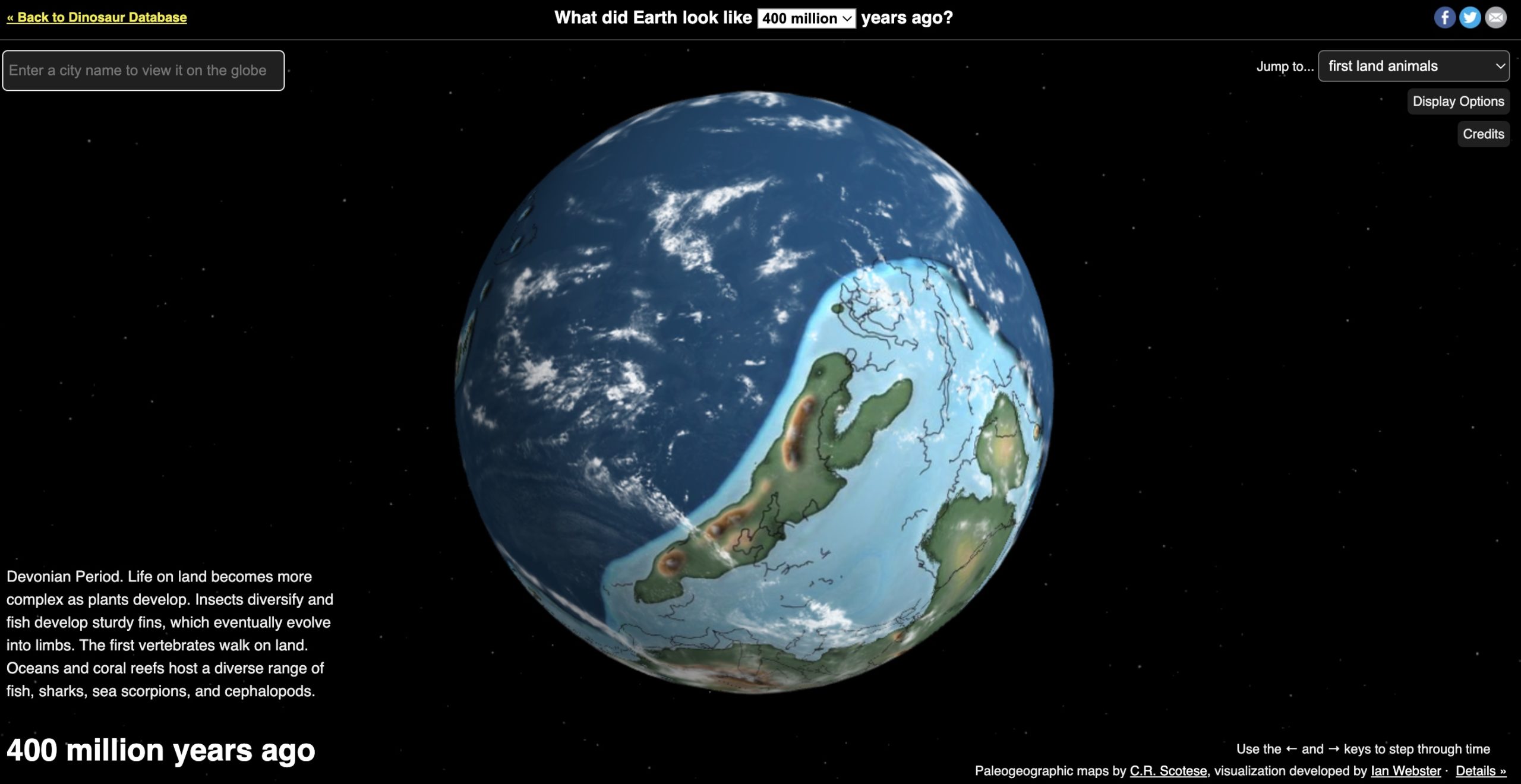
WTD mit einem animierten 3D-Datenvergleich, für den unter anderem Tiere, die es heute nicht mehr gibt, mit ihren früheren biologischen Verwandten in der Größe verglichen werden. Wie groß bitte waren früher die Biber oder die Pinguine. Und die Schlangen! Holy!
Der Filmemacher Paul Trillo hat mit „Thank You For Not Answering“ einen kunstvollen experimentellen Kurzfilm gemacht, für den er auch KI-Tools nutzte. Das Ergebnis ist zumindest interessant, wie ich finde.
Trillo demonstrated the process to me during a Zoom call; in seconds, it was possible to render, for example, a tracking shot of a woman crying alone in a softly lit restaurant. His prompt included a hash of S.E.O.-esque terms meant to goad the machine into creating a particularly cinematic aesthetic: „Moody lighting, iconic, visually stunning, immersive, impactful.“ Trillo was enthralled by the process: „The speed in which I could operate was unlike anything I had experienced.“ He continued, „It felt like being able to fly in a dream.“ The A.I. tool was „co-directing“ alongside him: „It’s making a lot of decisions I didn’t.“
„On a cool rainy day, this baby panda doesn‘t want to go home, preferring to sleep in a tree.
Panda’s fur is so thick that rainwater cannot penetrate the inner layer.“ <3
Unabhängig von der Qualle, die so erst ein Mal vorher gesehen wurde, finde ich ja immer noch wunderschön, welche Begeisterung derartige Entdeckungen bei den Endeckenden auslöst. Vielleicht liebt niemand seinen Job so sehr wie Meeresbiologinnen und Meeresbiologen. Und ja, die Qualle ist natürlich auch ein Hübschie.
No, that’s not a face-hugger from the Alien films you see on your screen, but it sure is bizarre! Our team was stumped when we encountered this mysterious gelatinous creature while diving on a previously unexplored guyot north-northwest of Kingman Reef. One of our experts initially guessed it could be a helmet jellyfish (with missing tentacles), but thanks to our expert, global Scientist Ashore network – connected to the ship via telepresence technologies – we have solved the mystery!
Midwater expert Dr. Dhugal Lindsay helped us to identify this jellyfish as a member of the order Narcomedusae, and an undescribed species within the genus Bathykorus. This is only the second encounter with this animal, first spotted by NOAA Ocean Exploration’s ship Okeanos Explorer in 2015. Using the rays on top of the bell, we believe this animal likely eats other gelatinous animals like jellies and/or swimming sea cucumbers. Different from all other species in the genus, the animal’s brown color indicates to experts that this is a predator of bioluminescent prey. You never know what we’ll find when exploring the deep ocean in the Pacific Remote Islands!
Diese Website verwendet Cookies, damit wir dir die bestmögliche Benutzererfahrung bieten können. Cookie-Informationen werden in deinem Browser gespeichert und führen Funktionen aus, wie das Wiedererkennen von dir, wenn du auf unsere Website zurückkehrst, und hilft unserem Team zu verstehen, welche Abschnitte der Website für dich am interessantesten und nützlichsten sind.
Unbedingt notwendige Cookies
Unbedingt notwendige Cookies sollten jederzeit aktiviert sein, damit wir deine Einstellungen für die Cookie-Einstellungen speichern können.
Wenn du diesen Cookie deaktivierst, können wir die Einstellungen nicht speichern. Dies bedeutet, dass du jedes Mal, wenn du diese Website besuchst, die Cookies erneut aktivieren oder deaktivieren musst.