Unabhängig davon, dass dieser Pulli von Ruth Grace
ganz hervorragend für die aktuellen Temperaturen geeignet ist, schafft er bei dem Bedürfnis danach auch noch ein kleines Stück Privatsphäre. Ich würde den tragen. Wer sich den selber machen mag, hier die Anleitung auf Instructables. Ich würde den so nehmen.
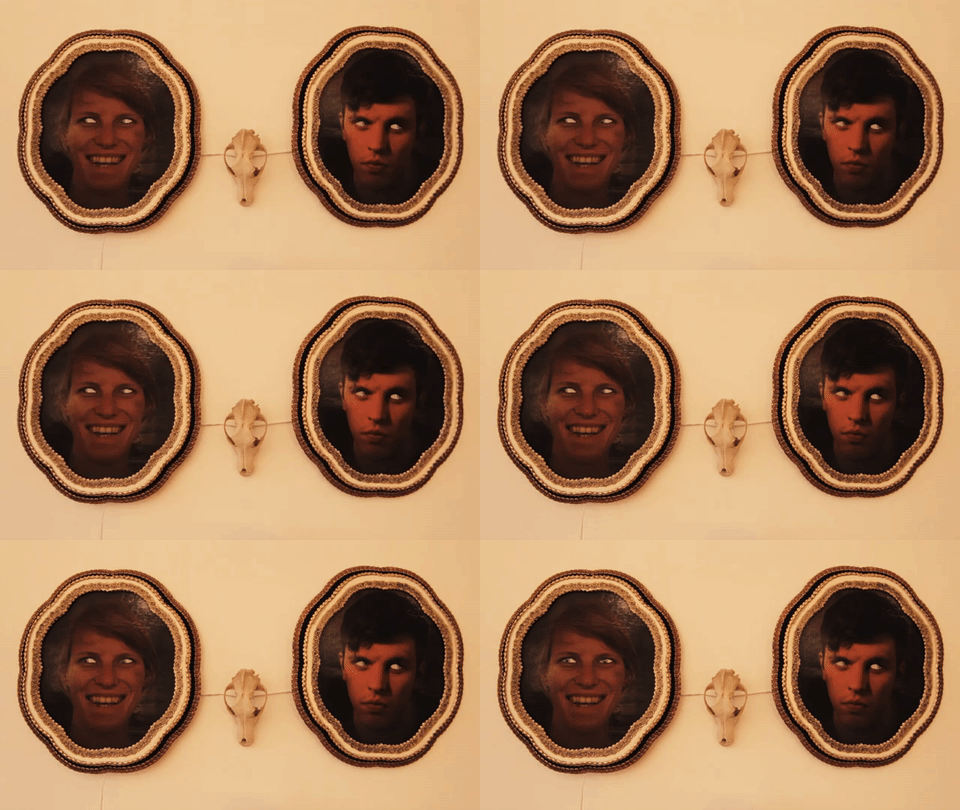
Wer seine Gäste zur nächsten Hausparty mal ein wenig verschicken will: Moritz hat sich ein paar Porträts gebaut, in denen sich, ganz wie in alten Filmen, die Augen der Porträtierten hin und her bewegen. Für den Rest sorgt der fiese Sound.
You don’t own a haunted castle but still want that scotish chic of an „ghost chateau“? Make your own ancestors portay with moving eye and easily scare away unwanted guests!
Redditor sicksick0331 hat ein Klavier aus dem Jahr 1907 zu einem großartig aussehenden Schreibtisch umgebaut. Geiles Teil!
I found an old upright piano that someone on craigslist was giving away for free. They had said that if no one wanted it, it was going to the dump. So I picked it up and hauled it back home. All the keys were stripped of it ivory so I couldn’t salvaged any of it. I had this DIY on my to do list for awhile. I finally I was able to start it.
Ein wirklich wunderschöne Lampe, die Makendo mit einem 3D-Drucker aus dem Periodensystem gebaut hat. Die komplette Bauanleitung findet sich bei Instructables.
San Diego Mitch hat eine Weile nach sehr leichten und dabei bezahlbaren Rucksäcken gesucht. Die, die dabei für ihn in Frage kamen, kosteten $450 und mehr. Das war ihm zu teuer und so hat er selber nach einer Lösung gesucht. Am Ende nahm er sich ein paar dieser blauen IKEA-Tüten und machte sich selber seinen ultraleichten Rucksack, den er jetzt für $275 auf eBay verkauft. Immerhin keine $450. Aber man kann sich auch ansehen, wie genau er die Dinger gemacht hat und die dann selber basteln. Kosten dafür $30 und ein bisschen Arbeit
Das sind die vielleicht schönsten Gartenlichter, die ich je gesehen habe und das beste daran: man kann sie ziemlich einfach selber bauen. Im nächsten Jahr scheint hier im Garten ein anderes Licht. So viel ist mal klar!
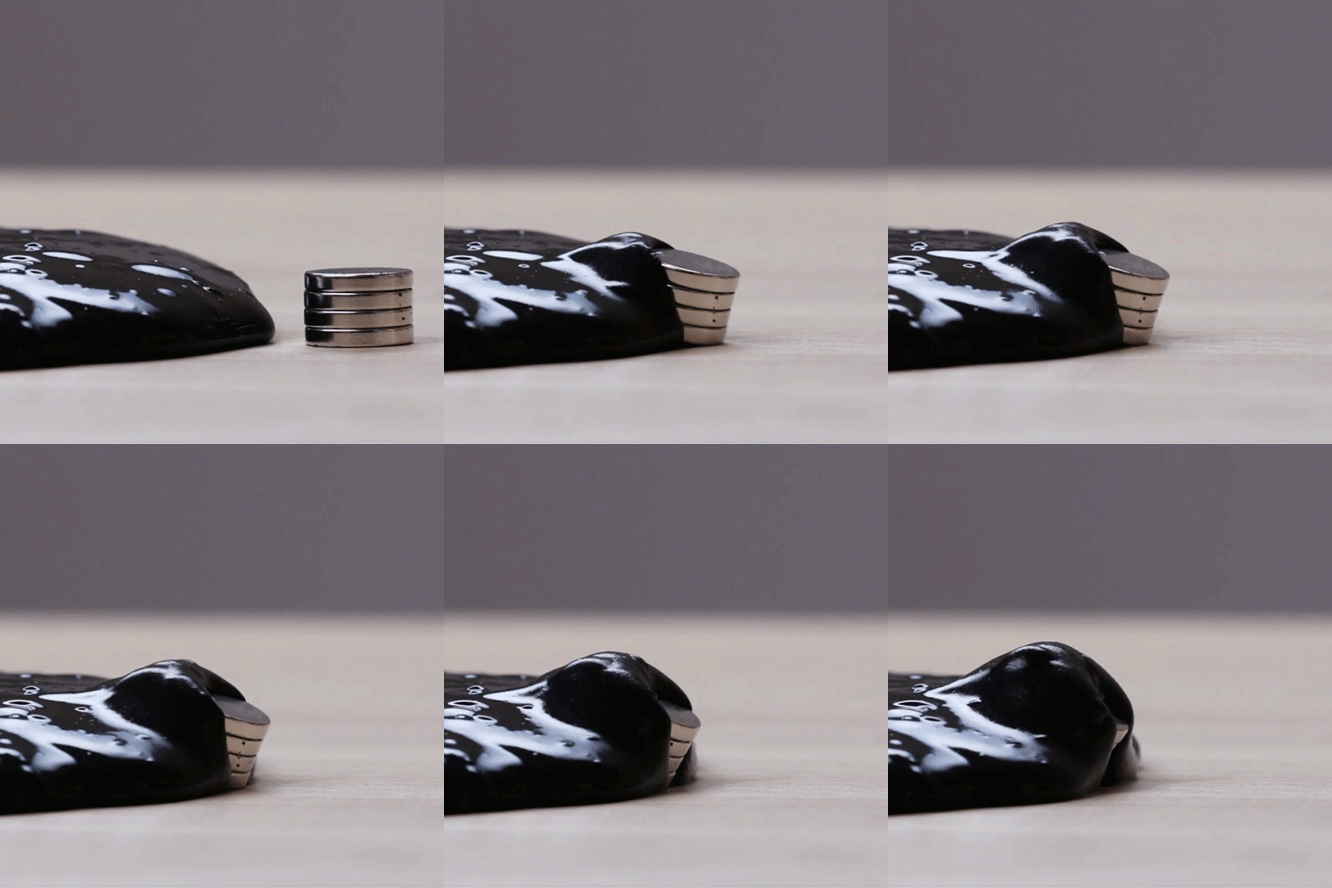
Spaß mit Magnetismus und dafür vorher ein bisschen rummanschen. Warum nicht? Nifty zeigt uns, wie das gemacht wird. Ich habe dann am kommenden Wochenende was vor.
Joshua Woodsman ist Architekt und hat einen Faible für kleine Häuser, für sehr kleine Häuser. Er ist der Meinung, dass Wohnraum nicht zwangsläufig sonderlich ausufernd gestaltet werden muss und entwickelt so jede Menge kleiner Häuser. Von diesen verkauft er Pläne, in denen er die Baustoffe und Kosten dafür kalkuliert. Die Kosten für diese Pin Up Houses variieren zwischen $690.00 und über $30.000.
Dann fehlt nur noch der Platz und hierzulande eine Baugenehmigung. Einen Hurrikan überstehen die Hütten sicher nicht, Wasser und Klo muss separat geklärt werden, aber hübsche Buden auf kleinstem Raum sind das allemal.
Dem Australier von Primitive Technology reichen offenbar seine schon großartigen Dächer, die er bisher immer aus Blättern gebaut hat, nicht mehr. So zeigt er hier, wer er mitten im Wald Dachziegel formt und die dann brennt. Wetterfest, würde ich meinen.
I built a tiled roof shed to provide a fire and rain proof shelter for working on projects during wet weather and for storing firewood. The shed houses the very kiln used to fire its own tiles.
I cut timber using the stone hatchet and took it to the building site. 6 Upright posts were stuck into the ground about half a meter. Mortices were cut into the horizontal beams using a stone chisel to start with, then had there mortices enlarged using hot coals and a blow pipe to burn them out more. These beams were put in place and rafters were lashed on with lawyer cane. The wood that the tiles sit on are about 50 cm apart. The finished frame was 2 x 2 m in floor plan, 2 m tall at the ridge line and 1.5 m tall at the sides. This roof angle is about 22.5 degrees, half the pitch of the huts I usually make. This took about a week but I did it about 4 months ago and left the wood at the site because I was busy on other videos.
Future Guy Mike von Love Props hat mit seinem Onkel George fast zwei Jahre damit verbracht eine unglaublich detaillierte Version von Guy-Manuels Roboter Daft Punk-Helm zu planen, zu bauen und zu programmieren. Hier hat er die Entstehung des Helmes dokumentiert.
Diese Website verwendet Cookies, damit wir dir die bestmögliche Benutzererfahrung bieten können. Cookie-Informationen werden in deinem Browser gespeichert und führen Funktionen aus, wie das Wiedererkennen von dir, wenn du auf unsere Website zurückkehrst, und hilft unserem Team zu verstehen, welche Abschnitte der Website für dich am interessantesten und nützlichsten sind.
Unbedingt notwendige Cookies
Unbedingt notwendige Cookies sollten jederzeit aktiviert sein, damit wir deine Einstellungen für die Cookie-Einstellungen speichern können.
Wenn du diesen Cookie deaktivierst, können wir die Einstellungen nicht speichern. Dies bedeutet, dass du jedes Mal, wenn du diese Website besuchst, die Cookies erneut aktivieren oder deaktivieren musst.